 Termékek keresése
ZN-L1165 függőleges megmunkáló központ
Cat:Függőleges megmunkáló központ
Ez a megmunkáló központ sorozat A-alakú egyoszlopban van rögzítve, a munkapad mobil szerkezete, az alapvető alkatrészek nagy merevsége, a mozgó alk...
Lásd Részletek
A portál szerkezete a CNC Gantry Megmunkáló Központ öntöttvasból vagy hegesztett acélból készül – és a választás nem önkényes. Az öntöttvas előnyösen nagy pontosságú, vibrációra érzékeny alkalmazásokhoz , míg a hegesztett acélt nagy formátumú, nagy igénybevételű megmunkáláshoz kedvelik ahol a szerkezeti méret és teherbírás élvez elsőbbséget. Ennek a megkülönböztetésnek a megértése kritikus fontosságú, amikor kiválasztja a megfelelő gépet a termelési környezethez.
A portál a gerince a CNC Gantry Megmunkáló Központ . Ez hordozza az orsót, a kereszttartót és az összes kapcsolódó tengelyhajtást a munkaasztalon. Bármilyen hajlítás, vibráció vagy termikus torzulás a portálon közvetlenül a kész alkatrész mérethibájához vezet. Emiatt a portál felépítéséhez használt anyag a szerszámgépgyártók egyik legkövetkezményesebb mérnöki döntése.
Két elsődleges anyag uralja a piacot: szürke öntöttvas (HT250 vagy HT300 minőség) és hegesztett szerkezeti acél (Q235 vagy Q345 minőség) . Mindegyik mérhető előnyökkel és kompromisszumokkal rendelkezik a megmunkálási forgatókönyvtől függően.
Az öntöttvas több mint egy évszázada a hagyományos választás a precíziós szerszámgép-szerkezetekhez. Az a CNC Gantry Megmunkáló Központ , az öntöttvas portál a következő fő előnyöket kínálja:
Az öntöttvas portál elsődleges korlátja a méretkorlátozás. Az öntési létesítmények és a rakodólogisztika megnehezíti és költségessé teszi az öntöttvas portálok gyártását 6 méter fesztávolságú . Az 1600–3000 mm-es munkaasztal szélességű szabványos közepes méretű CNC portálos megmunkálóközpontok esetében továbbra is az öntöttvas a mérce.
A hegesztett acél portálszerkezetek jellemzően vastag acéllemezek hegesztésével készülnek Q345 minőség 30 mm és 80 mm közötti lemezvastagsággal , dobozszelvénybe vagy bordával megerősített gerendába. Ez az építési mód számos gyakorlati előnnyel jár a CNC Gantry Megmunkáló Központ nehéziparban használják:
A kompromisszum a csökkentett rezgéscsillapítás. A hegesztett acélportálokat hegesztés után gondosan feszültségmentesíteni kell (termikus izzítással vagy vibrációs öregítéssel), hogy megakadályozzuk a megmunkálás közbeni vetemedést. Megfelelő stresszoldás nélkül a CNC Gantry Megmunkáló Központ idővel helyzeti eltolódást mutathat, ami különösen észrevehető Inconel, titán vagy más nehezen vágható anyagok megmunkálása során, amelyek jelentős forgácsolóerőt generálnak.
Az alábbi táblázat összefoglalja a két portálanyag közötti fő különbségeket, hogy segítse a felhasználókat a tájékozott választásban:
| Tulajdonság | Öntöttvas portál | Hegesztett acél portál |
|---|---|---|
| Rezgés csillapítás | Kiváló (3–5× magasabb) | Mérsékelt |
| Maximális gyakorlati fesztáv | ~6 m | 15 m |
| Hőstabilitás | Felsőbbrendű | Jó (kompenzációval) |
| Szakítószilárdság | ~250 MPa | 345 MPa (Q345) |
| Tipikus alkalmazás | Forma, precíziós alkatrészek | Repülés, nagy építmények |
| Gyártási átfutási idő | Hónapok (öntési öregedés) | Hetek |
| Költség | Magasabb (azonos mérethez) | Nagy méretben alacsonyabb |
A portálszerkezet típusa a CNC Gantry Megmunkáló Központ közvetlenül befolyásolja a gép teljesítményét a különböző munkadarab anyagokon:
Itt az öntöttvas portál a nyerő. A nagy csillapítóképesség elnyeli a kemény marás során keletkező szaggatott forgácsoló erőket, megakadályozva a mikrorezgéseket, amelyek egyébként idő előtti szerszámkopást és felületi hibákat okoznának. Felhasználók megmunkálása H13 vagy D2 szerszámacél öntöttvas portálos gépen következetesen jelenteni 15-25%-kal hosszabb szerszámélettartam az egyenértékű hegesztett acélportálos gépekhez képest.
Mindkét portáltípus jól teljesít alumíniummal. Azonban alumínium nagy sebességű megmunkálásához a fenti orsófordulatszámokon 18.000 RPM , az öntöttvas portál kiváló csillapítása megakadályozza a harmonikus rezonanciát, amely felületi hullámosságot okozhat – ez gyakori probléma a nagylemezes repülőgép-alumínium megmunkálás során.
Ezek az anyagok rendkívüli vágási erőket és hőt termelnek. A megfelelő bordázattal ellátott hegesztett acél portál elbírja a szerkezeti terheléseket, de a CNC Gantry Megmunkáló Központ Az öntöttvas portál jobb felületi integritást biztosít a kiváló rezgéselnyelésnek köszönhetően. A hőkiegyenlítő rendszerek mindkét esetben elengedhetetlenek a titán hosszú gyártási ciklusok során történő vágásakor.
A CFRP megmunkálása nagy sebességű, kis erővel történő vágást igényel, kiváló rezgésszabályozással a rétegvesztés megakadályozása érdekében. Nagyméretű, űrrepülési kompozit panelekhez, meghaladja a 4 méter hosszú , a méretéből adódóan jellemzően a hegesztett acél portálos gép az egyetlen életképes megoldás. Polimer beton töltetet vagy aktív csillapító rendszereket gyakran adnak hozzá az acél alacsonyabb csillapításának kompenzálására.
Valami csúcskategóriás CNC Gantry Megmunkáló Központ a gyártók ma már polimerbetonból (epoxi gránitból vagy ásványöntvényből) épített portálszerkezeteket kínálnak. Ez az anyag biztosítja 6-10× az öntöttvas rezgéscsillapítása és excellent thermal stability, with a thermal conductivity roughly 40× lower than steel. It is used in ultra-precision gantry machines targeting tolerances below ±0,002 mm , jellemzően az optikai alkatrészek gyártásában vagy a félvezető berendezések gyártásában. A kompromisszum a magas anyagköltség és az ütközés alatti ridegség.
Értékelésekor a CNC Gantry Megmunkáló Központ , használja a következő döntési keretet:
Mindig kérje meg a gépgyártó merevségi vizsgálati jelentését (statikus és dinamikus), hősodródási adatokat egy 8 órás gyártási ciklus alatt, valamint felületi mintákat a célanyagon, mielőtt végleges vásárlási döntést hozna. CNC Gantry Megmunkáló Központ .
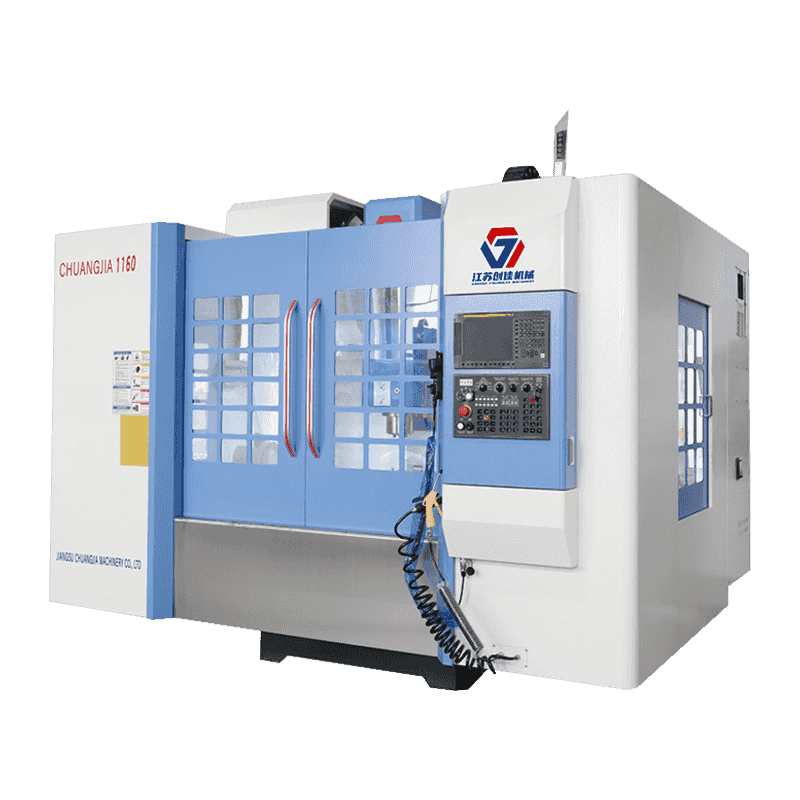
Ez a megmunkáló központ sorozat A-alakú egyoszlopban van rögzítve, a munkapad mobil szerkezete, az alapvető alkatrészek nagy merevsége, a mozgó alk...
Lásd Részletek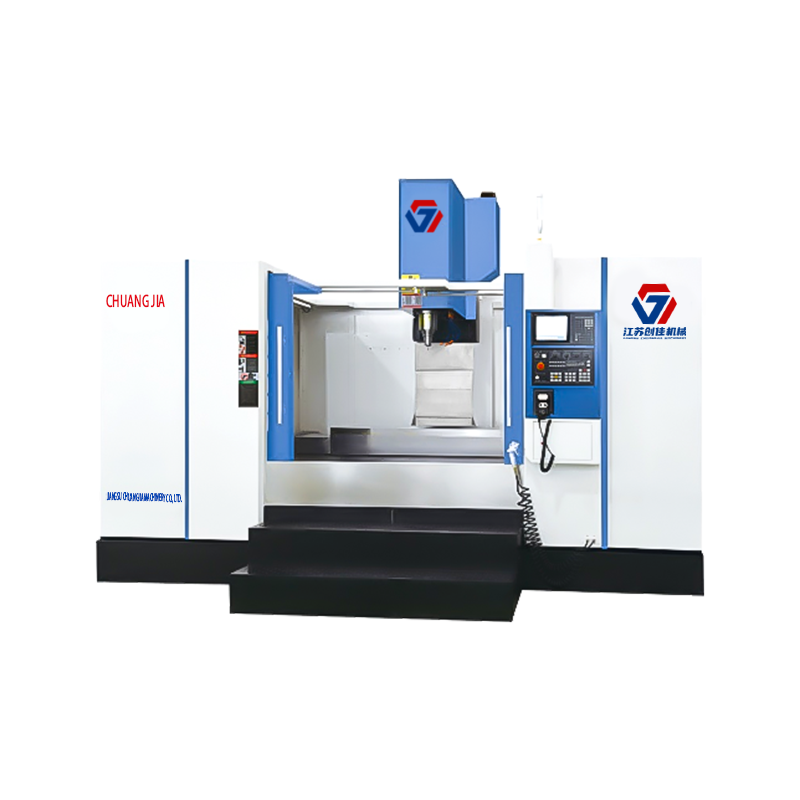
Ez a megmunkáló központ sorozat A-alakú egyoszlopban van rögzítve, a munkapad mobil szerkezete, az alapvető alkatrészek nagy merevsége, a mozgó alk...
Lásd Részletek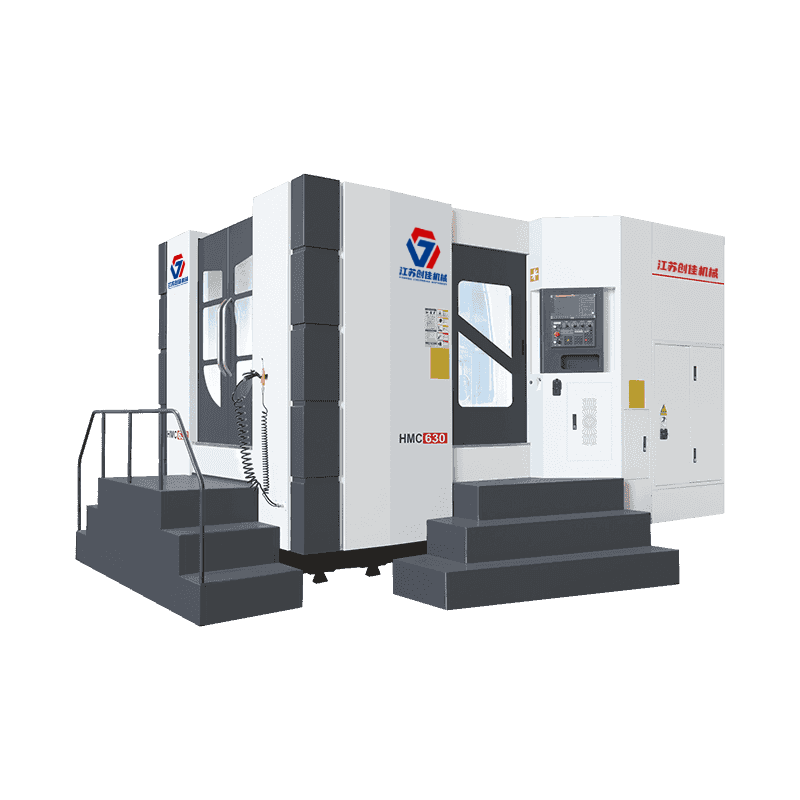
Az ágy fordított T szerkezeti elrendezést alkalmaz, az asztal körbe mozog (X tengely), a fejtartó fel és le (Y tengely), az pedig oszlop előre-hátr...
Lásd Részletek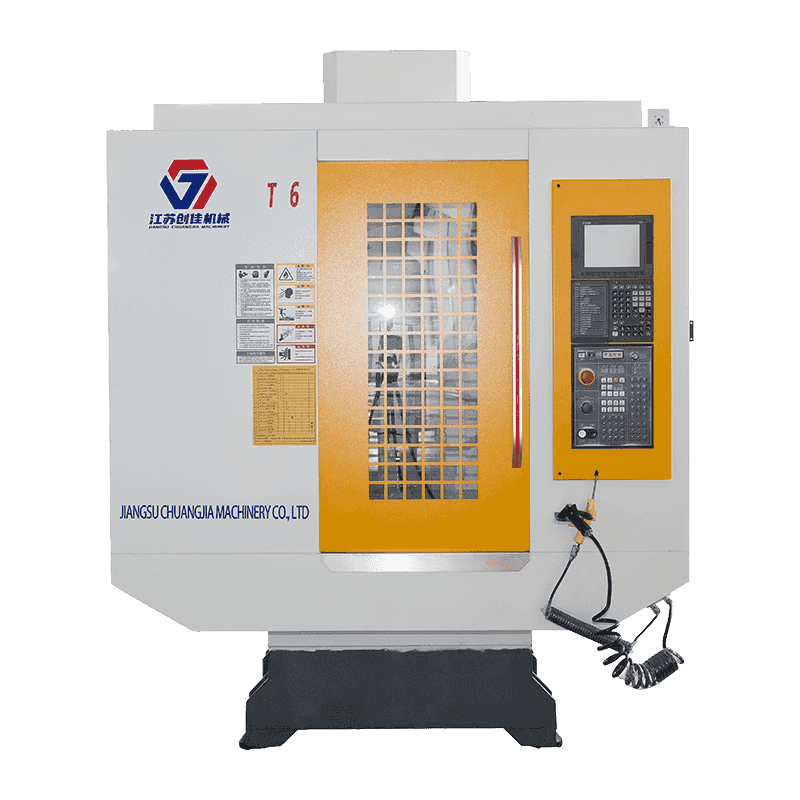
A ZN-T6 fúró- és fúró központ könnyen kezelhető, nagy megbízhatósággal, rendkívül magas költséghatékonysággal rendelkezik, főként általános iparban...
Lásd Részletek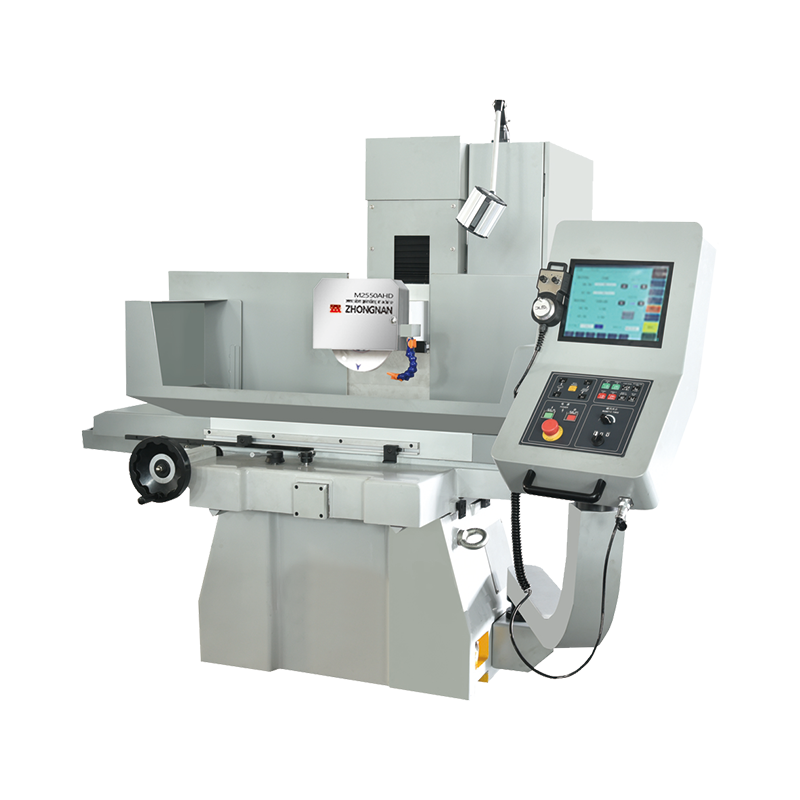
Nagy pontosságú / nagy sebesség / könnyen kezelhető CNC felületi csiszológép X tengelyű hidraulikus / YZ tengely szervo / CNC rendszer. Keresztcsús...
Lásd Részletek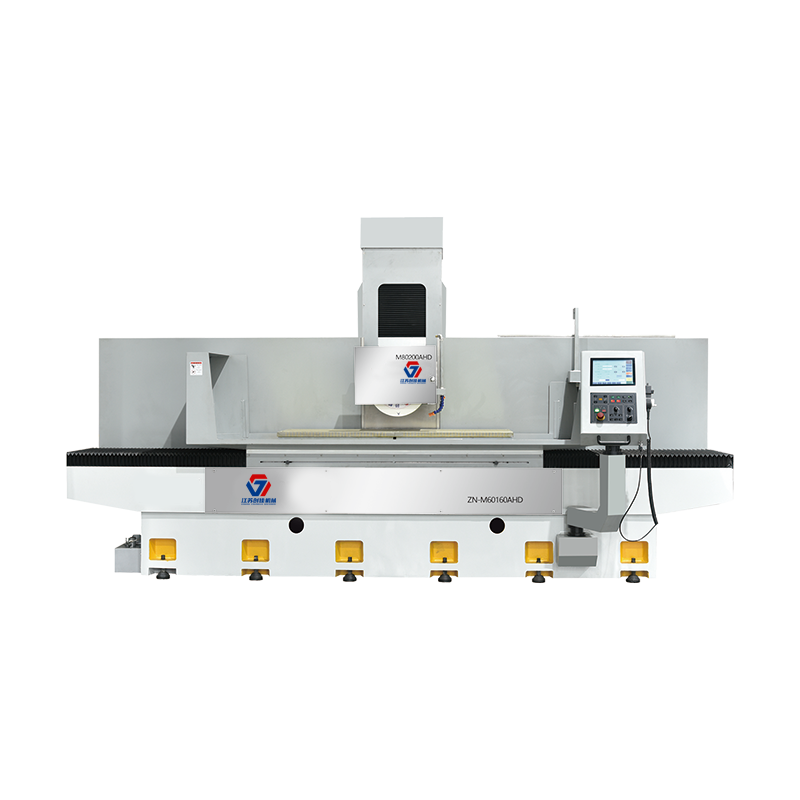
A szerszámgép speciális különféle fémanyagok, például sík, lépcsőfok és speciális forma precíziós köszörülésére alkalmas, és széles körben használa...
Lásd Részletek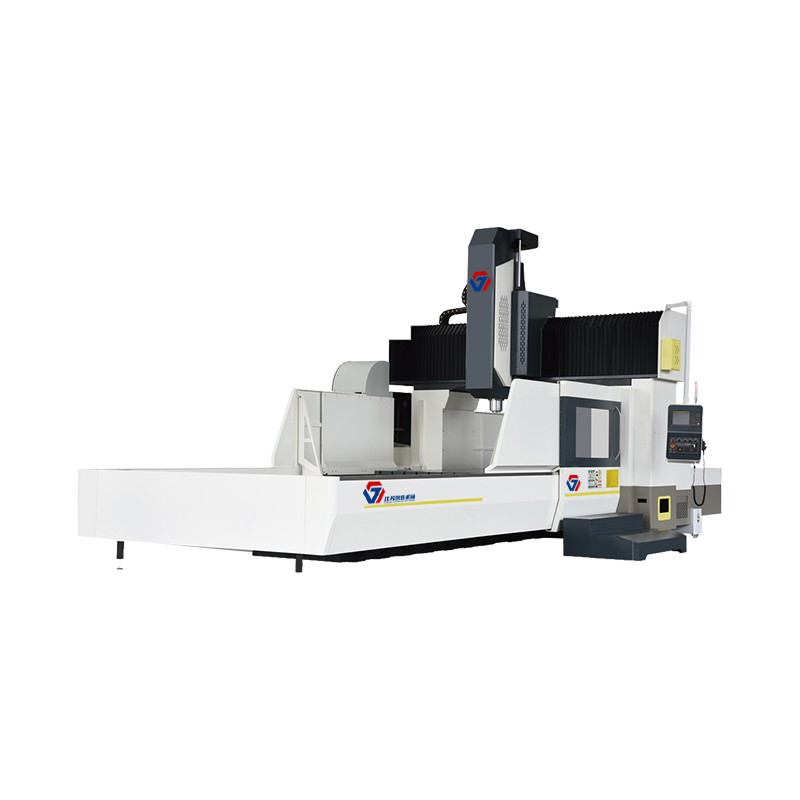
A gép a rögzített portálkeret és az ágyon mozgó asztal szerkezetét veszi fel. Gerenda oszlopba integrált kialakítás, nagy merevség és precíziós sta...
Lásd Részletek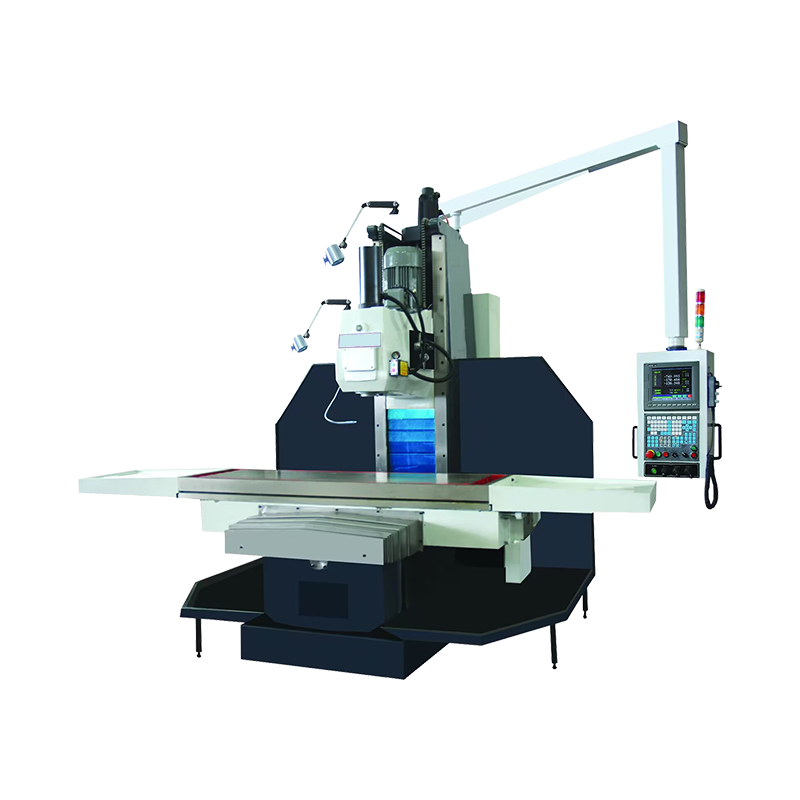
Egy függőleges és egy vízszintes fogaskerékfejjel felszerelve nagy a kimenő nyomaték, erős a vágóerő. A befogást később a felső sík és az oldalsó e...
Lásd Részletek
All rights reserved Jiangsu Chuangjia Machinery Co., LTD.
